
What Should a Booster Club Budget Include for a School Sports Program?
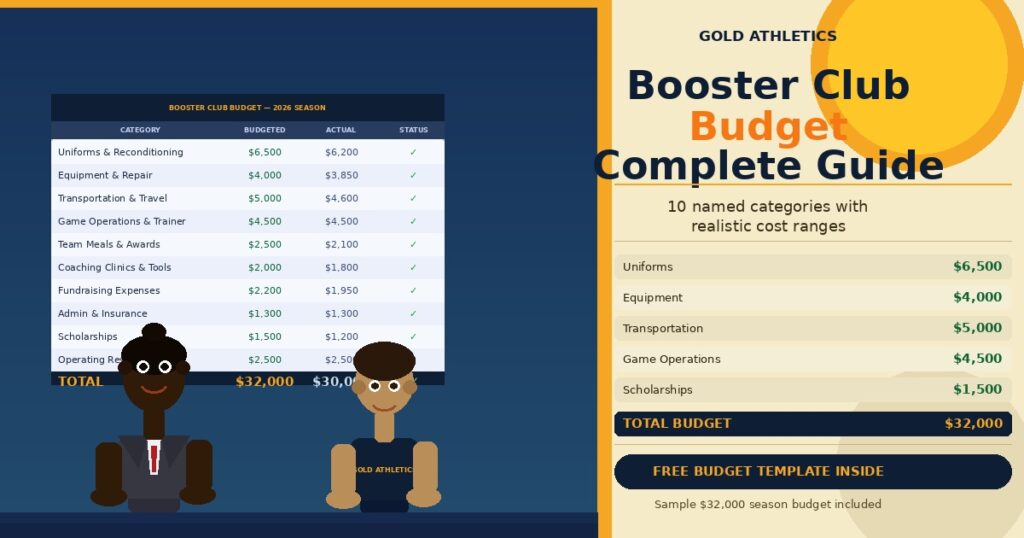
Quick Answer: A booster club budget should include named line items across ten core categories: uniforms and apparel, equipment and reconditioning, transportation and travel, game operations and officials, facilities, coaching support, athlete health and safety, player development, administration and compliance, and fundraising expenses. Because most athletic costs are predictable and recurring, a category-based budget prevents […]
How to Increase Booster Club Membership and Participation Every Season

Quick Answer: Increasing booster club membership and participation every season comes down to four things: clarity, convenience, communication, and culture. Because most families support the idea of a booster club but hesitate to commit, removing friction and building trust consistently produces more members and more volunteers than any single recruitment push. Why Does Booster Club […]
How to Start a Booster Club From Scratch for a School Athletic Program

Quick Answer: To start a booster club, you need school approval, a small founding team, a simple mission, and a compliant structure that handles money responsibly. Then recruit members, set up banking and reporting basics, and launch one clear fundraising plan tied to specific athlete needs. Because most booster clubs fail from poor planning rather […]
How to Write a Sports Team Fundraising Letter That Gets Donations Fast
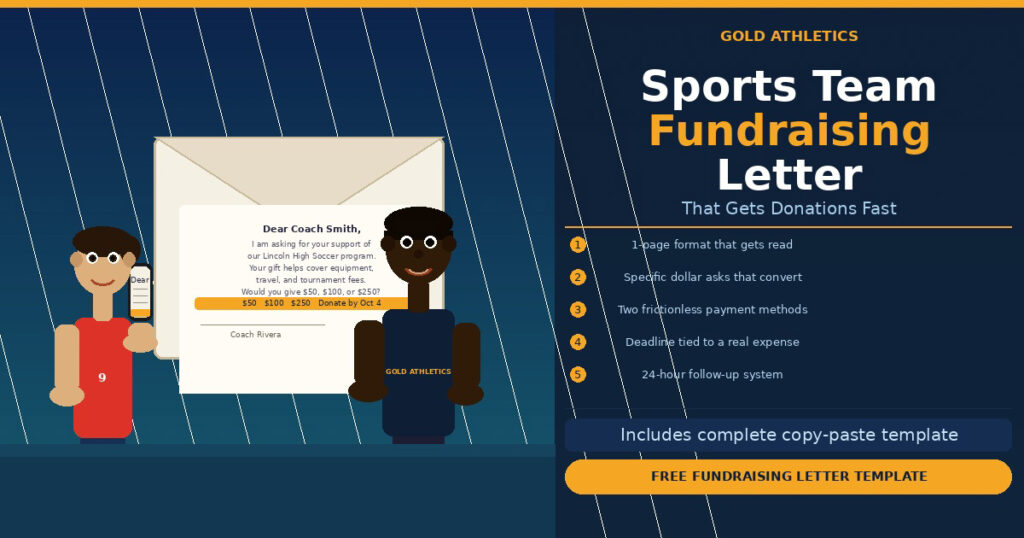
Quick Answer: The fastest way to get donations from a sports team fundraising letter is to say exactly what the money funds, include a specific dollar ask like $50 or $100, give two clear ways to donate, and set a real deadline within 10 to 14 days. Pair the letter with athlete follow-up by text […]
What Is the Best Time of Year to Run a School Sports Fundraiser?

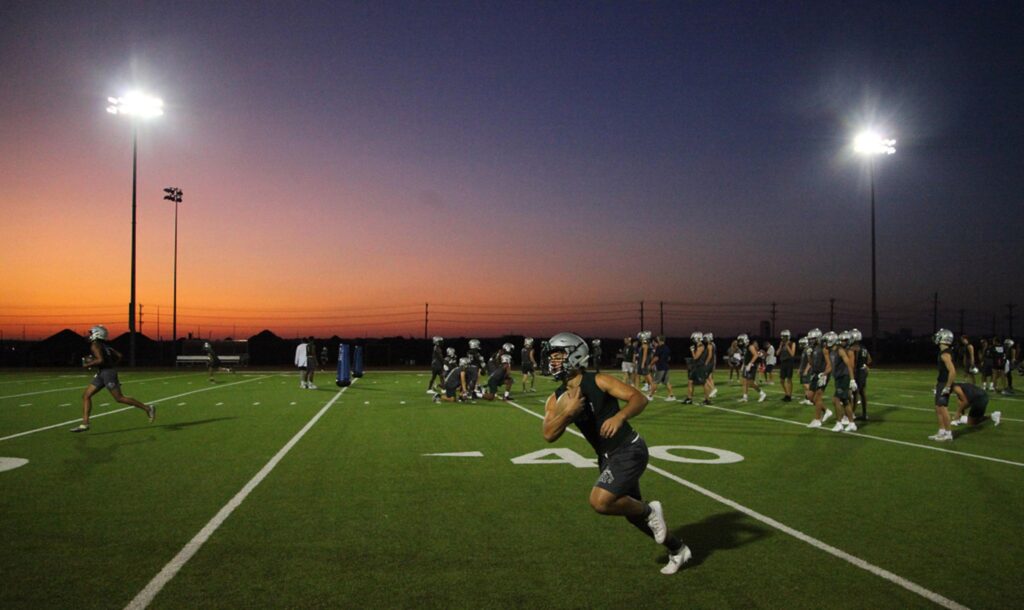
The best time is the preseason window, approximately 4 to 6 weeks before your first game or first performance.
That is when athletes are fully bought in, coaches still have attention to spare, and parents have not yet been consumed by game schedules and travel logistics. Additionally, it aligns with real program needs because the earlier you fundraise, the earlier you can pay for officials, transportation deposits, equipment reconditioning, tournament entry fees, and team gear orders.
What Is the Best Time of Year to Run a School Sports Fundraiser?
The best time is the preseason window, approximately 4 to 6 weeks before your first game or first performance.
That is when athletes are fully bought in, coaches still have attention to spare, and parents have not yet been consumed by game schedules and travel logistics. Additionally, it aligns with real program needs because the earlier you fundraise, the earlier you can pay for officials, transportation deposits, equipment reconditioning, tournament entry fees, and team gear orders.
How to Run a Football Team Fundraiser That Covers the Full Season Budget

A realistic full season football budget runs between $15,000 and $60,000, depending on level, roster size, travel, and what the school already covers.
Here is what most programs spend when coaches and booster leaders actually list every line item:
How to Fund a Sports Team Without Asking Parents for More Money
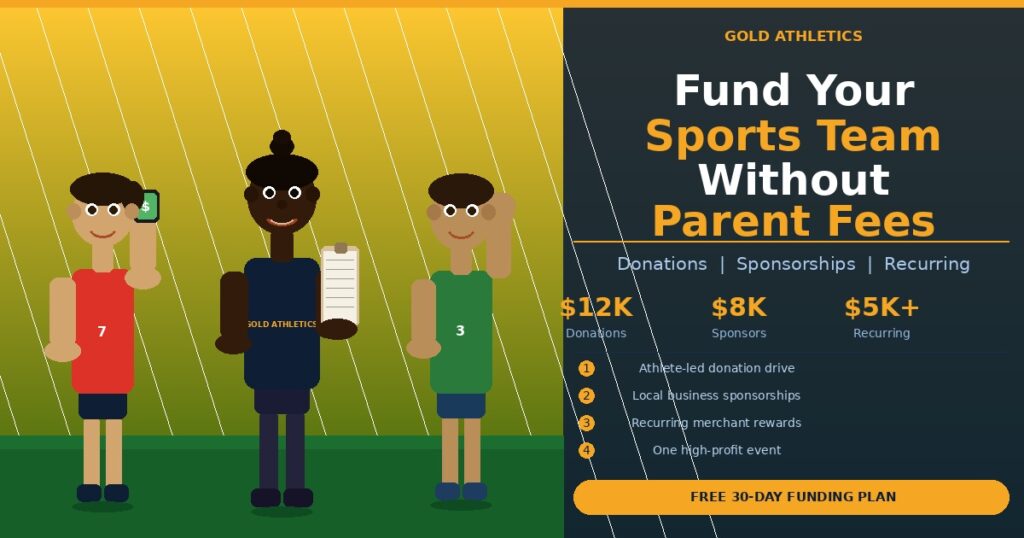
The fastest option is an athlete-led donation drive because it creates cash flow in days, not months.
If you need $8,000 for uniforms or $15,000 for travel and officials, donation-based fundraising wins on both speed and margin. There is no inventory, no delivery, and no profit split eating into your total.
How to Run a Successful Booster Club Fundraiser From Start to Finish

A booster club fundraiser is a structured campaign run by a parent-led organization that raises money to support a specific athletic program, team, or department. Booster clubs fund the things school budgets often cannot: team travel, uniforms, equipment, facility improvements, athlete scholarships, and program-building experiences.
How Much Money Can a School Sports Team Realistically Raise?

Most school teams do not fail at fundraising because of effort. They fail because expectations are not tied to math.
A realistic fundraising goal for a school sports team depends on inputs you can actually control. When those inputs are clear, a coach or booster leader can forecast revenue with surprising accuracy. Additionally, teams that use a structured, time-boxed model with athlete accountability and parent communication consistently raise more with fewer weeks of disruption.