
What Is the Best Time of Year to Run a School Sports Fundraiser?
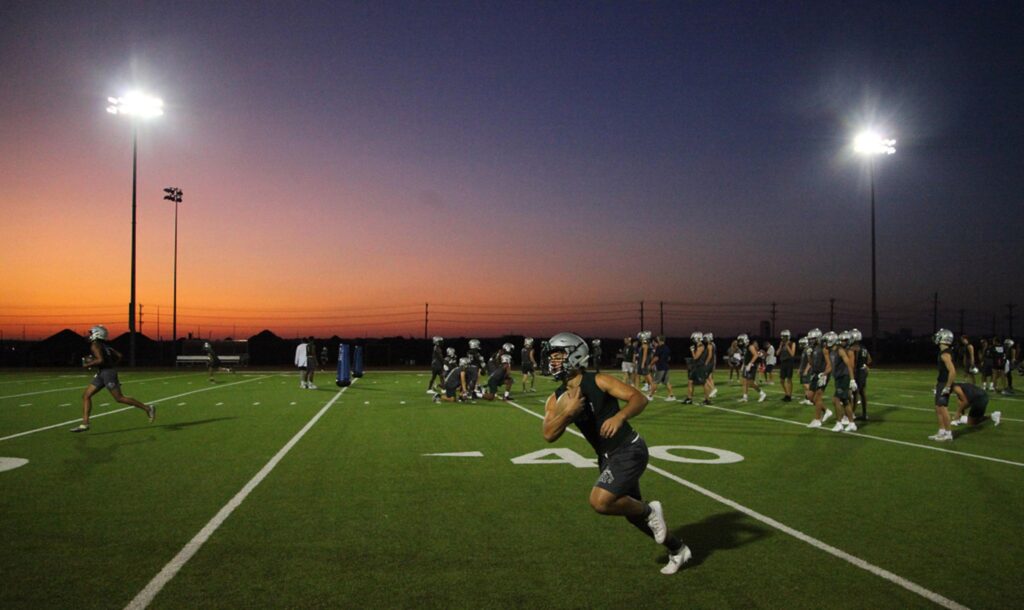
The best time is the preseason window, approximately 4 to 6 weeks before your first game or first performance.
That is when athletes are fully bought in, coaches still have attention to spare, and parents have not yet been consumed by game schedules and travel logistics. Additionally, it aligns with real program needs because the earlier you fundraise, the earlier you can pay for officials, transportation deposits, equipment reconditioning, tournament entry fees, and team gear orders.
How to Run a Football Team Fundraiser That Covers the Full Season Budget

A realistic full season football budget runs between $15,000 and $60,000, depending on level, roster size, travel, and what the school already covers.
Here is what most programs spend when coaches and booster leaders actually list every line item:
How to Fund a Sports Team Without Asking Parents for More Money
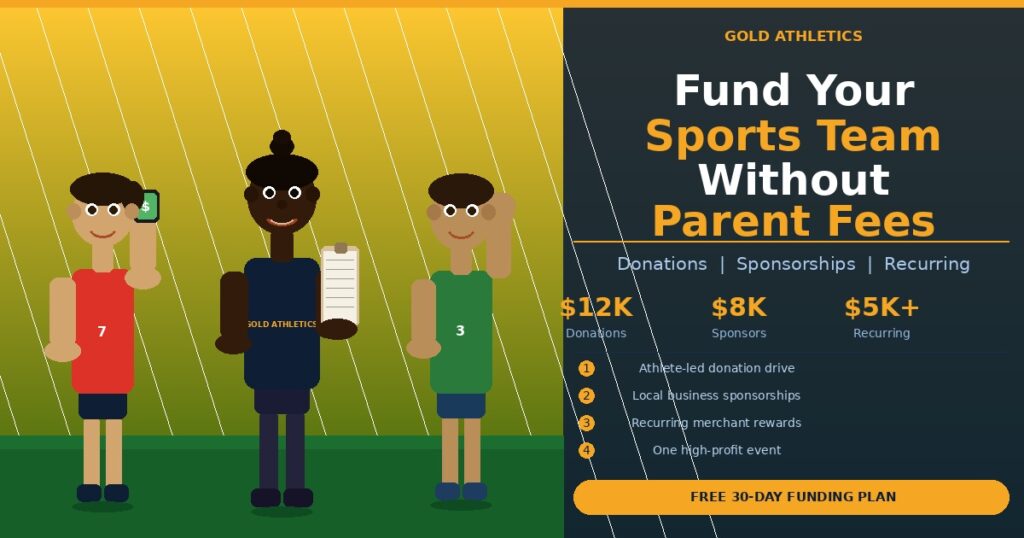
The fastest option is an athlete-led donation drive because it creates cash flow in days, not months.
If you need $8,000 for uniforms or $15,000 for travel and officials, donation-based fundraising wins on both speed and margin. There is no inventory, no delivery, and no profit split eating into your total.
How to Run a Successful Booster Club Fundraiser From Start to Finish

A booster club fundraiser is a structured campaign run by a parent-led organization that raises money to support a specific athletic program, team, or department. Booster clubs fund the things school budgets often cannot: team travel, uniforms, equipment, facility improvements, athlete scholarships, and program-building experiences.
How Much Money Can a School Sports Team Realistically Raise?

Most school teams do not fail at fundraising because of effort. They fail because expectations are not tied to math.
A realistic fundraising goal for a school sports team depends on inputs you can actually control. When those inputs are clear, a coach or booster leader can forecast revenue with surprising accuracy. Additionally, teams that use a structured, time-boxed model with athlete accountability and parent communication consistently raise more with fewer weeks of disruption.
How to Get Every Athlete to Participate in a School Fundraiser

Most fundraising plans rely on a few high performers and hope the rest follow. In athletic programs, that creates the same outcome every season: a handful of families carry the budget while coaches lose time chasing participation.
How to Choose a School Fundraising Company for Your Athletic Program
School sports are expensive. Uniforms, travel, tournament fees, equipment, and coaching resources add up fast. Most athletic departments and booster clubs cannot cover everything from their budget, which makes fundraising a practical necessity.
What Is a Blitz Day Fundraiser and Why Does It Outperform Digital-Only Campaigns?
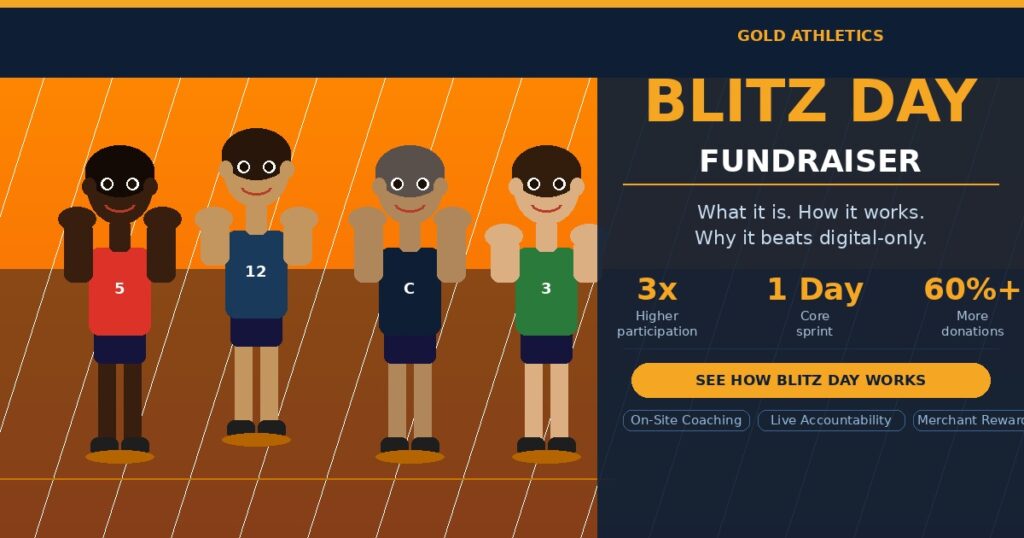
A Blitz Day fundraiser is a structured fundraising sprint that compresses the most important revenue-producing behaviors into a single focused event. Unlike passive digital campaigns, a Blitz Day functions as an activation event that maximizes donor contact rate and ask quality within a limited time frame.
How to Fix Donor Fatigue in School Fundraising
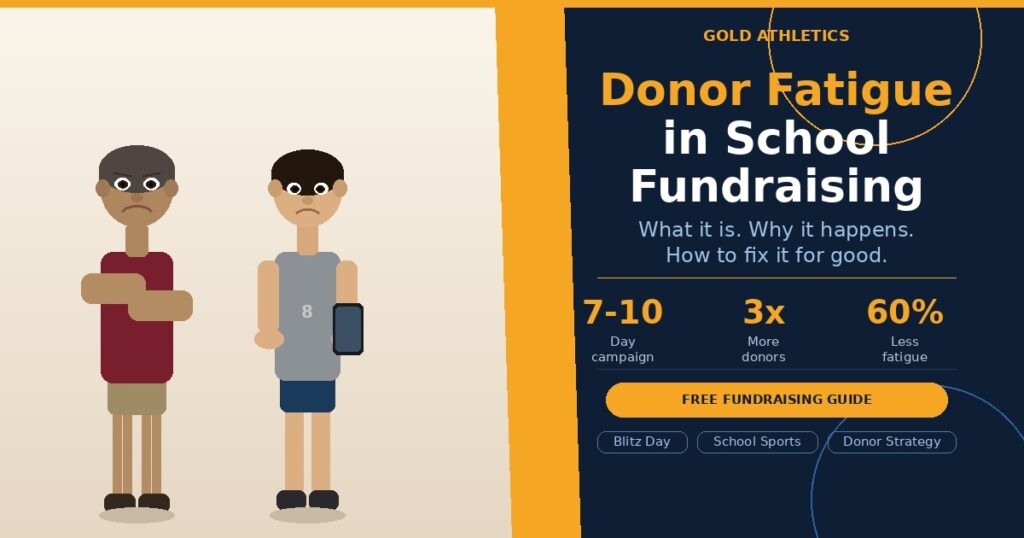
Donor fatigue in school fundraising is a condition in which parents, local businesses, and community supporters reduce or stop giving to school campaigns. It is not caused by a lack of generosity. It is caused by poor campaign structure, repetitive asks, and a lack of meaningful engagement.
According to fundraising research, donors who receive more than three asks in a short window are significantly less likely to give again in the same season. Because school sports programs often run multiple campaigns per year, donor fatigue compounds quickly and quietly.
How to Motivate Athletes and Parents to Participate in a Fundraiser
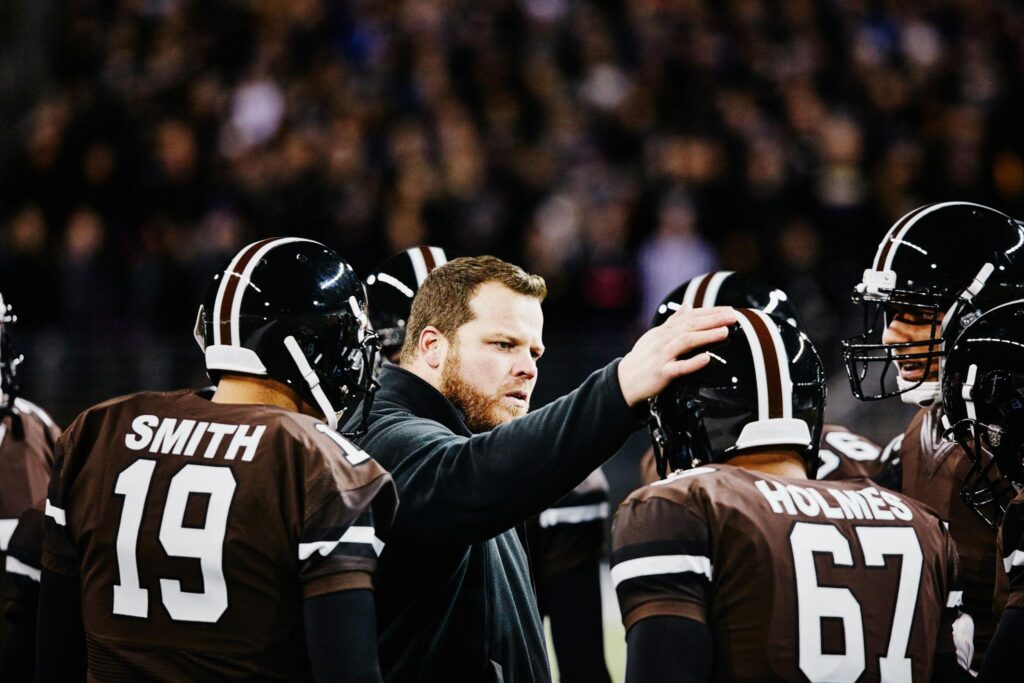
To motivate athletes and parents to participate in a fundraiser, give clear goals, simple actions, and visible progress. Athletes respond to competition and recognition, while parents engage when the process is easy, trustworthy, and time efficient.