

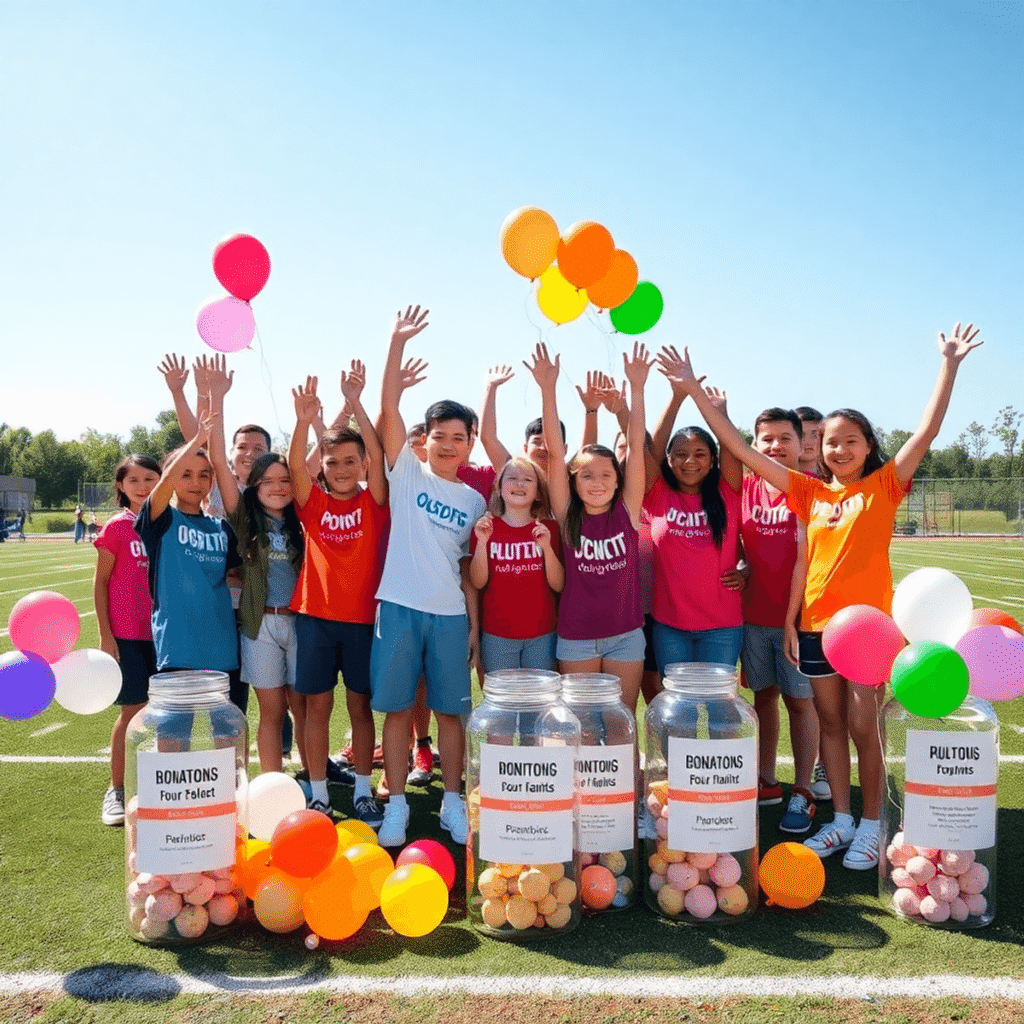
Youth sports fundraising sounds simple on paper. Your team needs money for uniforms, tournament fees, travel, or new equipment. So you run a fundraiser. Then reality shows up. Parents are overwhelmed. Kids forget to hand out order forms. You end up doing 90% of the work with two other volunteers, again. The money trickles in slowly, gets eaten by platform fees, or gets stuck in unsold inventory sitting in your garage.
This is not a list of cute ideas. Instead, this is a practical guide to the youth sports fundraising strategies that actually work in 2026. Not perfectly every time, but reliably enough that you can plan around them.
Why So Many Youth Sports Fundraisers Fail
The biggest challenge in youth sports fundraising right now is not a lack of generosity. People still give. The problem is friction.
Nobody wants to write a check, fill out a paper form, or buy something they do not need from a catalog. They also do not want to wonder where the money went or feel pressured into giving more than they are comfortable with.
So before we get into the strategies, here is what every successful fundraiser has in common in 2026:
- Simple action: Tap, pay, done.
- Clear purpose: Donors know exactly what the money is for.
- A reason to act now: A deadline, a matching gift, or a specific goal.
Keep those three things at the center and almost any format can work.
Before You Pick a Fundraiser: A 15-Minute Planning Step
This is the step most teams skip. It is also why they end up running another popcorn sale that barely breaks even. So take 15 minutes and answer these three questions honestly.
How Much Do You Actually Need?
Do not say “as much as possible.” Put a real number on it. For example, $3,600 by May 10 for tournament deposits, or $1,200 by June 1 for new equipment. A specific target tells you whether you need one big push or two smaller ones.
How Many Families Will Realistically Help?
If you have 14 players, do not build a plan that assumes all 14 families will go all in. In most cases, six to eight families will do the heavier lifting. Design your fundraiser around that reality.
Who Is Actually Going to Donate?
Be specific. Most youth sports fundraising money comes from grandparents, relatives, coworkers, neighbors, local small businesses, and alumni families from past seasons. Their convenience matters more than anything else. So build your plan around making it easy for them to give.
The Youth Sports Fundraising Stack That Works Best Right Now
If you want the simple version, here it is. In 2026, the most effective approach combines three things:
- A direct donation campaign that is short, specific, and mobile friendly
- A local business sponsor push with clean packages that are easy to say yes to
- One community event that is low effort and low admin
You do not need seven fundraisers. You need two or three that are actually run well. Here is what each one looks like in practice.
Strategy 1: Direct Donation Campaigns for Youth Sports Fundraising
Direct asking still has the highest return of any youth sports fundraising method. There is no inventory to store, no delivery to coordinate, and no platform keeping 35% of what you raise. However, most teams run it in a way that feels vague and half hearted. A sad social media post, a payment link with no context, and then silence.
Here is the version that actually works.
Make Your Goal Specific and Visual
Instead of “support our team this season,” try something like this:
“Help us cover three tournament entry fees by Friday. $1,050 total. Anything helps.”
Even better, show a simple breakdown:
- Tournament fees: $1,050
- Ref fees: $600
- New practice equipment: $250
- Goal: $1,900 by April 30
People relax when they can see exactly where the money goes. So be transparent from the start.
Give Donors a Small Win Option
Not everyone is giving $100. Make it easy to contribute at any level. For example:
- $10 covers a pack of athletic tape
- $25 helps fund one practice hour
- $50 covers part of a ref fee
- $100 puts a player halfway to a tournament entry
This is not manipulation. It just makes the decision easier for the donor.
Give Parents Copy and Paste Scripts
Do not make every parent write their own message. That is where campaigns die. Instead, provide three versions they can grab and send immediately.
Text message: “Hey! Quick one. Our team is raising $1,900 by April 30 for tournaments and ref fees. If you can help even $10, here’s the link: [link] Thank you, seriously.”
Social post: “We’re raising $1,900 for spring tournament fees and refs. If you want to help our kids play, donations add up fast. Link: [link]”
Work email: “Hi everyone, my kid’s team is fundraising for spring tournament fees. If you’re open to helping, here’s the donation link: [link] Thank you for supporting local youth sports.”
Run It Like a Sprint, Not a Marathon
A 7 day campaign almost always outperforms a 6 week one. Urgency is real. Here is a simple schedule that works:
- Day 1: Launch and share the scripts
- Day 2: Progress update (“we’re at 38%”)
- Day 4: Photo and one sentence on what the money covers
- Day 6: “48 hours left” reminder
- Day 7: Final push and thank you
Strategy 2: Local Business Sponsors for Youth Sports Teams
Local businesses genuinely want to support youth sports. The problem is they often get disorganized asks from multiple parents at multiple price points with no clarity on what they are getting in return. They do not want chaos. So make it feel professional.
Build Three Simple Sponsor Tiers
Keep it clean and easy to understand. Three tiers is the sweet spot:
- $150 Bronze: Name on team sponsor page and a thank you post
- $300 Silver: Everything above plus logo on banner at home games
- $600 Gold: Everything above plus logo on warm up gear or team signage
Adjust the numbers for your area. But stick to three tiers, not ten.
Make It Easy to Say Yes
Create a one page PDF with who you are, what you need, the three tiers, payment options, a deadline, and a contact name. Send it immediately when someone expresses interest. Do not make them wait or wonder.
Also, the message that gets replies tends to sound like this: “Hi [Name], I’m a parent with [Team Name]. We’re raising funds for [specific need] this season. We have sponsor options from $150 to $600. I can send the one page sheet if you’d like to take a look.”
Short. Direct. No guilt.
Sell a Specific Item, Not an Abstract Sponsorship
“Sponsor our team” is harder to say yes to than “sponsor our tournament banner for $400.” Specific purchases are easier for businesses to justify internally. So whenever possible, attach a dollar amount to something concrete.
Strategy 3: A One Day Community Event That Does Not Burn Out Your Volunteers
Events can be great fundraisers or volunteer burnout machines. It depends entirely on how you choose and run them. The events that keep working tend to be short, predictable, low setup, and do not require selling 300 tickets just to break even.
Youth Sports Skills Clinic
Offer a 90 minute clinic run by your own coaches or local high school athletes. Charge $25 to $40 per kid, cap attendance at a manageable number, and offer two time slots if demand is there. Parents love it because it is genuinely useful. Kids love it because it feels like a camp day. And you love it because it does not require a committee to pull off.
Restaurant Night With an Actual Plan
Restaurant nights can raise meaningful money or $127, depending entirely on execution. To make it work: choose a restaurant that already runs fundraiser nights smoothly, pick a time that fits your families, have players show up in jerseys for 30 minutes, and post two reminders, not one, not five.
Also, do not schedule it for the same night as three other local organizations. That sounds obvious but it happens all the time.
Car Wash With Preselling
Car washes still work in the right communities. But the key is removing the randomness. Partner with a local business parking lot for visibility, presell wash vouchers at $10 to $20, and accept tap to pay on site. If you are in a cold climate, skip this one and pick something else.
Youth Sports Fundraising With Product Sales: When It Makes Sense
Product based fundraising can work. However, it also tends to be the most draining option. So before you go this route, check whether the math actually makes sense for your team.
Products Worth Considering in 2026
- Custom team merch (preorder only): People actually want team gear. It sells itself. Run a one week preorder window, keep selections simple (hoodie, tee, hat), and arrange one pickup day.
- Digital discount cards: Only if the local deals are genuinely appealing to your community.
- Cookie dough or similar: Only if the platform handles all the logistics for you.
What to Watch Out For
Be careful with anything that requires you to store inventory, coordinate deliveries across 60 households, or operate at a margin under 40% while doing all the work yourself. In most cases, those fundraisers cost more in volunteer time than they earn.
The Three Week Youth Sports Fundraising Playbook
If you are starting from scratch, here is a three week plan that covers most youth sports team budgets without burning anyone out.
Week 1: The 7 Day Donation Sprint
Build a simple donation page, share the copy and paste scripts with parents, and post daily updates in the team group chat. End with a strong final day push. This alone can raise $1,500 to $5,000 for an average sized team.
Weeks 2 and 3: The Sponsor Push
Send out your one page sponsor sheet. Assign two to three businesses per willing family so everyone approaches different shops. Have one person track responses in a spreadsheet. Follow up once if you do not hear back.
Week 4: One Community Event
Pick one: skills clinic, restaurant night, a small raffle at a game, or a mini tournament. Run it well. Then you are done. Three moves. No six month fundraising marathon.
What Quietly Kills Most Youth Sports Fundraising Campaigns
These mistakes are common. But they are also fixable.
Vague Goals
“We’re raising money for the season” gives people nothing to act on. They procrastinate indefinitely. Instead, be specific. A real number with a real deadline changes everything.
No Updates During the Campaign
If someone donates and never hears anything again, it feels like money into a void. So post progress. Post thanks. Post the final result. It takes five minutes and it makes a big difference.
Too Many Options at Once
One link. One ask. One goal. Multiple payment methods are fine. But multiple campaigns running at the same time confuse people and dilute your results.
Parent Pressure That Backfires
If families feel singled out or guilted, they disengage completely. Say it directly: donations are optional, any amount helps, and time is also valuable. That kind of honesty actually increases participation because it removes the resentment.
What to Say to Parents So They Actually Get Involved
Most parents are not refusing to help. They just need structure and a clear path. Here is a group chat message that works:
“Hey everyone, fundraiser time. Our goal is $1,900 by April 30 to cover tournament fees and refs. I’m dropping three copy paste messages you can send to friends and family. If each family reaches out to 10 people, we’re basically there. No pressure if you’re swamped. Even sharing once helps a lot. We’ll post quick updates this week. Link: [link]”
Short. Clear. Does not guilt anyone. Gives people a manageable path forward.
Transparency: The Thing That Makes People Give Again Next Year
You do not need accounting software. You need basic visibility. Post the goal and the breakdown at the start. Post progress updates during the campaign. And when it is over, post the final total and what it paid for. Something like:
“We raised $2,140. Tournament fees are covered and the extra goes toward ref fees in May.”
That is it. People remember that kind of honesty. And next season, they give faster because they trust you.
Conclusion: Keep Youth Sports Fundraising Simple and Run It Well
Youth sports fundraising does not have to drain the people holding the team together. In 2026, the formula is straightforward. A focused 7 day donation sprint, a clean sponsor push, and one low stress community event covers most team budgets without burning anyone out.
The best fundraiser is always the one your team is actually prepared to run well. So pick one or two ideas from this guide, set a specific goal, and get started. You do not need a perfect plan. You need a good plan and consistent follow through.
When you hit that goal early and the team can just focus on playing, that is what makes all of it worth it.
Frequently Asked Questions About Youth Sports Fundraising
What are the most effective youth sports fundraising ideas in 2026?
The best options right now are direct donation campaigns with specific goals and deadlines, local business sponsorship packages with clear tiers, and one day community events like skills clinics or restaurant nights. These work because they are low friction for donors and low overhead for volunteers. A well run 7 day campaign can raise $1,500 to $5,000 or more for an average sized team.
How do you get local businesses to sponsor a youth sports team?
The key is packaging. Create a one page sponsor sheet with three clear tiers, specific benefits at each level, and a real deadline. Assign two to three businesses per willing family so you are not sending 10 parents to the same coffee shop. Keep the ask short and direct. Most local businesses want to support youth sports. They just need a simple way to say yes.
What is the fastest way to raise money for a youth sports team?
A focused 7 day direct donation campaign is the fastest option. Build a simple donation page, give parents copy and paste messages to send to friends and coworkers, post daily progress updates, and close with a strong final day push. Shorter campaigns consistently outperform longer ones because urgency drives action.
Are product fundraisers worth it for youth sports teams?
Sometimes. Custom team merch on a preorder model works well because people actually want it and there is no leftover inventory. However, anything requiring you to store products, deliver across 60 households, or keep margins under 40% usually costs more in volunteer time than it earns. If you go the product route, keep the selection simple and handle everything through one pickup day.
How do you get more parents involved in youth sports fundraising?
Give them a clear, low pressure ask with a short deadline and ready made tools. Copy and paste messages they can send in two minutes remove the awkwardness completely. Also, say explicitly that participation is optional and that sharing the link once is genuinely helpful. People engage when they have a specific, manageable role rather than an open ended obligation.
How much should a youth sports team expect to raise?
It depends on team size, community engagement, and how well the campaign runs. A well run 7 day direct donation campaign can bring in $1,500 to $5,000 or more for an average team. Adding a business sponsor push on top of that can close the gap on larger needs like tournament travel or equipment upgrades. The more specific your goal and the more consistently you promote it, the stronger your results.